In the world of promotional merchandise and personalized accessories, button pins continue to hold a special place. They are affordable, versatile, and highly customizable, making them a favorite choice for advertising campaigns, clubs, artists, and pop culture fans. While button pins may look simple on the surface, producing high-quality tinplate button pins requires a precise and carefully managed manufacturing process. Understanding this process helps explain why well-made button pins stand out in durability, appearance, and overall value.
Understanding Tinplate as the Core Material
The main material used in button pins is tinplate. Tinplate is a thin steel sheet coated with a layer of tin, which provides excellent resistance to rust while maintaining strength and flexibility. This combination makes tinplate ideal for items like button pins that need to be lightweight yet durable. High-quality tinplate ensures that the pin maintains its shape over time and protects the printed design from environmental damage.
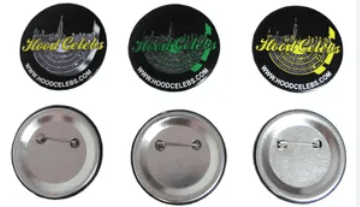
Button pins typically come with two types of backs: plastic bottoms and iron bottoms. Plastic bottoms are lighter and cost-effective, while iron bottoms provide extra durability and a premium feel. The choice of backing depends on the intended use—large promotional events may favor plastic bottoms for affordability, while collectors and brands may prefer iron bottoms for longevity.
Design Preparation and Customization
The manufacturing journey begins with design preparation. Since button pins are widely used for advertising promotion gifts, club logos, and brand identity, customization is essential. Designs are carefully reviewed to ensure they fit the chosen shape, whether round, square, star, or heart-shaped. Proper alignment and color accuracy are crucial, as even small errors can affect the final appearance.
At this stage, manufacturers may also offer different protective film options. These films sit on top of the printed design and help prevent scratches, fading, and moisture damage. Selecting the right film enhances the lifespan of button pins, especially when they are worn daily or distributed at outdoor events.
Printing and Image Transfer
Once the design is finalized, it moves to the printing stage. High-resolution printing machines are used to transfer the artwork onto special paper that will later be pressed onto the tinplate. Color consistency is closely monitored to ensure that logos, illustrations, and text appear vibrant and true to the original design.
The printed sheet is then cut into precise shapes that match the pin size. Accuracy here is critical, as poorly cut prints can lead to misaligned images once assembled. This step plays a major role in determining whether button pins look professional or poorly made.
Pressing and Forming the Tinplate
After printing, the tinplate sheets are cut into blanks and fed into specialized pressing machines. These machines shape the tinplate into the front shell of the button pin. The printed design and protective film are placed over the tinplate, and high pressure is applied to seal everything together smoothly.
This pressing process ensures that the surface of the button pin is tight, wrinkle-free, and securely bonded. A well-pressed pin not only looks better but also lasts longer, resisting dents and peeling even with regular use.
Backing Assembly and Pin Attachment
The next step is assembling the back of the button pin. Depending on customer preference, either a plastic bottom or iron bottom is attached. The pin accessory itself is a crucial component—it must be sharp enough to pierce fabric easily while remaining secure and safe to use. High-quality accessories are essential, as weak or poorly aligned pins can reduce customer satisfaction.
Once the backing is attached, the button pin is checked to ensure the front and back are firmly connected. This stage guarantees that the pin will not separate during normal use, which is especially important for promotional distribution and retail sales.
Quality Control and Inspection
Quality control is what separates average button pins from high-quality ones. Each batch undergoes inspection to check printing clarity, color accuracy, edge smoothness, and pin functionality. Any defective items are removed to maintain consistent standards. This attention to detail is why professional manufacturers are trusted by brands and artists alike.
The Role of Professional Manufacturers Like Vograce
With personalized customization at its core, Vograce is a professional art manufacturer that integrates design, development, production, and sales. Their products sell well both domestically and internationally, thanks to their reliable manufacturing standards. Vograce operates with over 200 employees and a factory spanning 6,000 square meters, equipped with more than 100 pieces of advanced production equipment.
Over the years, Vograce has become a preferred supplier for many artists starting their own businesses. In addition to button pins, they offer a wide range of custom products such as acrylic keychains, acrylic pins, standees, posters, tarot cards, postcards, stickers, washi tapes, tote bags, lanyards, mousepads, bottle openers, and fridge magnets. Their fast and reliable wholesale and retail services at competitive prices make them a strong partner for creative brands.
Since its founding in 2010, Vograce has focused on ethical manufacturing and sustainable development. The company values its employees by providing benefits like paid birthday leave, free accommodation and meals, annual health checkups, and critical illness support for families—an approach that builds trust and long-term quality.
Conclusion
The manufacturing process behind high-quality tinplate button pins involves far more than simple assembly. From selecting durable tinplate materials and preparing precise designs to advanced pressing, secure backing attachment, and strict quality control, every step matters. When produced by experienced manufacturers like Vograce, button pins become reliable, attractive, and effective tools for promotion and self-expression. As demand for customized merchandise continues to grow, well-crafted button pins will remain a timeless and valuable choice across industries.