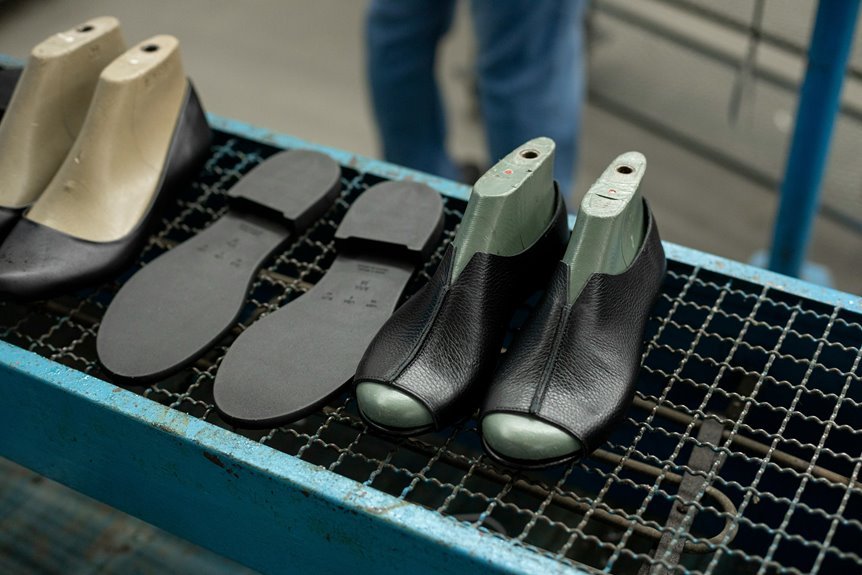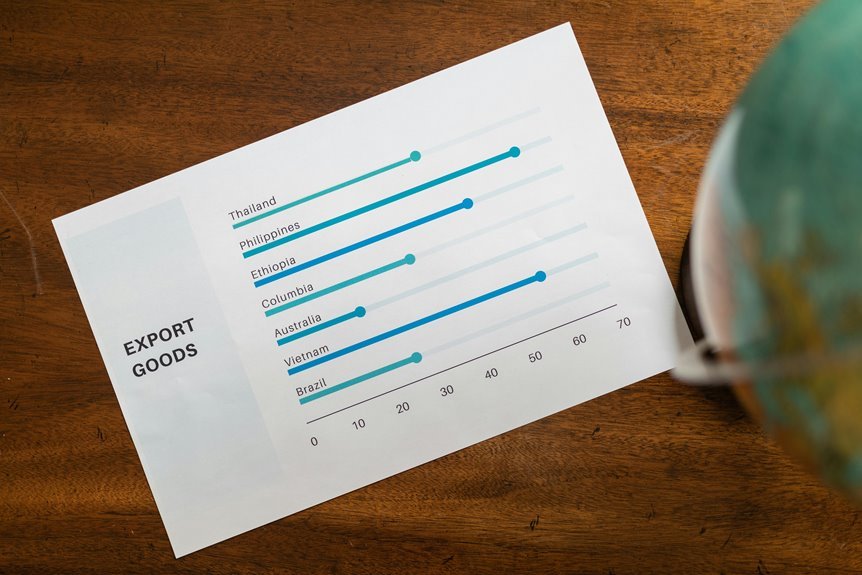
The “Leather Goods Market Report – Rcnguide.Com” outlines key trends shaping the industry today. You’ll notice a shift towards sustainable materials and minimalistic designs, reflecting changing consumer preferences. However, challenges like supply chain disruptions and rising costs are impacting quality. As you consider these factors, think about how transparency and ethical branding might influence future market dynamics. What implications could these insights have for your own strategies in this evolving landscape?
What’s Hot in Leather Goods Right Now
When it comes to leather goods, three trends are currently taking center stage: sustainable materials, minimalistic designs, and tech integration.
You’ll find that sustainable materials are reshaping luxury branding, appealing to conscious consumers. These innovations not only enhance quality but also align with a growing demand for ethical choices, allowing you to express individuality while supporting environmental responsibility.
Embrace these trends for a modern touch.
Top Challenges for Leather Goods Manufacturers and Their Impact on Quality
While the leather goods industry thrives on innovation, manufacturers face significant challenges that directly impact product quality.
Supply chain issues can delay production and increase costs, forcing compromises in material selection.
Additionally, sustainability concerns push brands to adopt eco-friendly practices, often straining resources.
These factors collectively hinder manufacturers’ ability to maintain high standards, ultimately affecting the quality of the leather goods they produce.
Identifying Growth Opportunities in Leather Goods
Manufacturers in the leather goods industry can find growth opportunities by leveraging emerging trends and consumer preferences.
Embracing sustainable practices not only enhances brand reputation but also appeals to eco-conscious consumers.
Additionally, focusing on luxury branding can attract affluent customers seeking quality and exclusivity.
How Consumer Insights Affect Leather Goods Trends
As consumer preferences evolve, understanding their insights becomes crucial for shaping trends in the leather goods market.
You’ll notice a strong demand for sustainable sourcing as buyers increasingly prioritize eco-friendly options.
Additionally, digital transformation is reshaping how brands connect with consumers, driving transparency and personalization.
Conclusion
In navigating the evolving landscape of the leather goods market, you must adapt to the currents of consumer demand and sustainability. As transparency and personalization shape preferences, embracing ethical branding becomes your compass. While challenges loom, identifying growth opportunities can turn obstacles into stepping stones for success. By aligning your strategies with these insights, you position yourself as a leader in a market that’s increasingly prioritizing eco-conscious practices, ensuring your brand remains relevant and competitive.