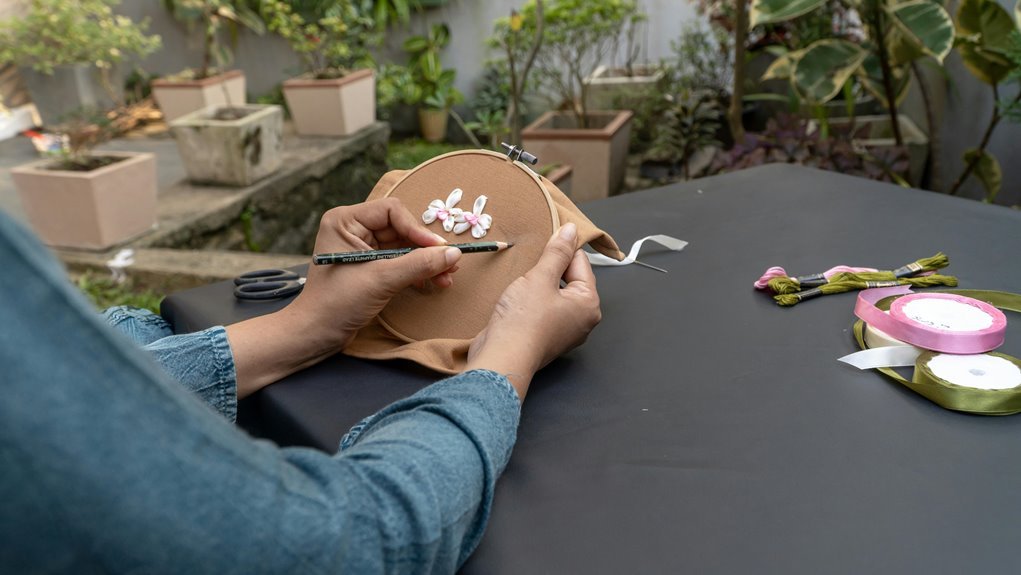
It’s interesting how your recent interest in sustainable products coincides with the findings of the Handloom Industry Growth Study by Rcnguide.com. The report highlights key factors driving the handloom sector’s resurgence, but it also uncovers significant challenges artisans face in today’s market. As consumer demand shifts towards authenticity, understanding these dynamics could be crucial for both artisans and consumers alike. What strategies might be necessary to bridge these gaps and ensure sustainable growth?
Key Factors Driving the Handloom Industry’s Resurgence
As consumers increasingly seek authenticity and sustainability in their purchases, the handloom industry is experiencing a remarkable resurgence.
This growth stems from artisan innovation, where skilled weavers incorporate modern techniques while preserving traditional methods.
The cultural significance of handloom textiles resonates deeply, appealing to those wanting unique, meaningful products.
This trend not only supports artisans but also fosters a greater appreciation for heritage craftsmanship.
What Challenges Do Artisans in the Handloom Sector Face?
While the handloom industry thrives, artisans face significant challenges that threaten their sustainability.
Limited market access restricts your ability to reach broader audiences, directly impacting artisan livelihoods.
Additionally, competition from mass-produced textiles undermines your unique craftsmanship.
Without support for fair pricing and promotion of traditional skills, you may struggle to maintain your craft and secure a stable income in an evolving marketplace.
How Are Sustainable Practices Boosting Handloom Growth?
Sustainable practices are transforming the handloom industry by enhancing environmental responsibility and appealing to conscious consumers.
By prioritizing sustainable materials, artisans meet rising demand for eco-friendly products.
Community engagement plays a crucial role, as local initiatives foster collaboration and knowledge sharing.
This not only strengthens the craftsmanship but also boosts economic resilience, creating a thriving ecosystem that champions both tradition and innovation.
Opportunities for Handloom in Local and Global Markets
Despite the challenges faced by the handloom industry, significant opportunities exist in both local and global markets.
You can leverage emerging market trends that favor sustainable and unique products. By forming artisan collaborations, you’ll create distinctive offerings that appeal to conscious consumers.
This not only enhances brand visibility but also taps into a growing demand for authentic craftsmanship. Embrace these avenues for growth!
Conclusion
In a world increasingly drawn to the charm of authenticity, the handloom industry stands at a promising crossroads. While artisans face hurdles, like market access and fierce competition, the rising tide of sustainable practices and consumer preference for unique craftsmanship creates golden opportunities. By championing these skilled creators and embracing strategic marketing, you can help weave a brighter future for this vibrant sector, ensuring it thrives for generations to come.