Understanding the causes of train derailments, investigating safety protocols, and implementing technological advancements can significantly enhance rail safety. Recent findings reveal alarming trends in track conditions and equipment failures. Regulatory bodies are responding with updated standards, but are these measures enough? As rail companies adapt their protocols and invest in new technologies, the future of rail safety hangs in the balance. What changes will emerge next, and how will they affect the industry?
Understanding the Common Causes of Train Derailments
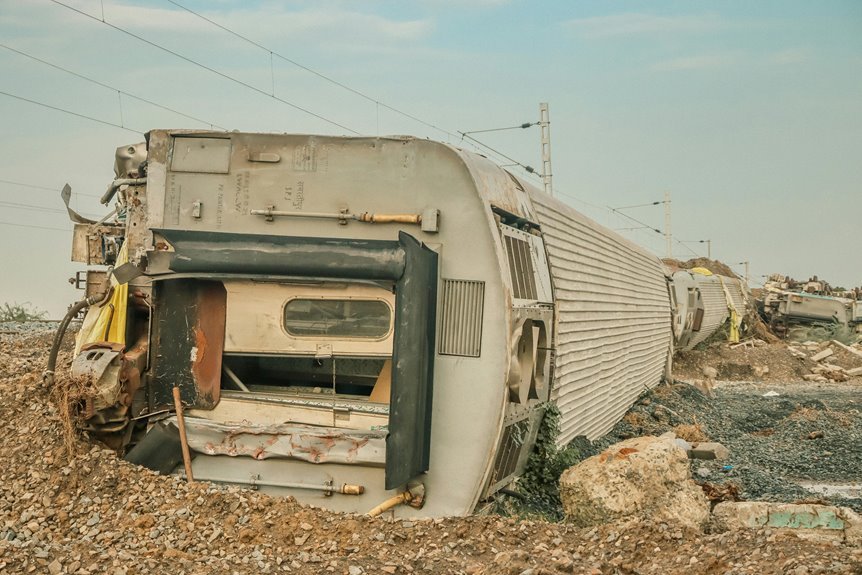
Train derailments can stem from a variety of factors, each contributing to the disruption of rail service and posing safety risks.
Poor track conditions, including misalignment or wear, often compromise train stability.
Additionally, equipment failure, such as malfunctioning brakes or faulty wheels, can lead to catastrophic incidents.
Understanding these common causes is essential for enhancing rail safety and ensuring reliable transportation.
Recent Investigations and Findings
While investigations into recent train derailments reveal a complex interplay of factors, several key findings have emerged that underscore the importance of proactive measures.
Investigation methods employed have highlighted lapses in safety protocols, emphasizing the need for rigorous compliance and regular audits.
These insights suggest that enhancing safety measures can significantly reduce the risk of future derailments, ultimately protecting both passengers and rail infrastructure.
Technological Advancements in Rail Safety
Recent findings emphasize the need for enhanced safety protocols, prompting a closer look at how technological advancements can play a pivotal role in rail safety.
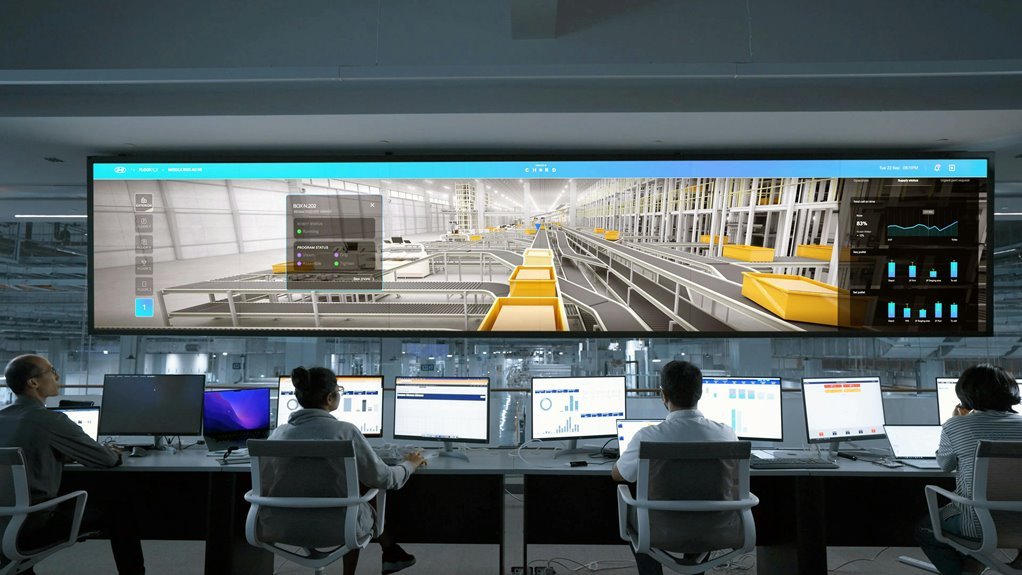
Automated systems streamline operations, reducing human error, while predictive analytics identify potential failures before they escalate.
Regulatory Changes and Industry Responses
As investigations into the recent train derailments unfold, regulatory bodies are reevaluating existing safety standards and implementing changes aimed at preventing future incidents.
These adjustments emphasize stricter regulatory compliance and enhanced industry standards.
Rail companies are responding by adapting their operational protocols, investing in training, and upgrading equipment to align with new regulations, ensuring safety remains a priority while maintaining their commitment to operational freedom.
Conclusion
In light of the persistent peril posed by train derailments, prioritizing proactive protocols and precise practices is paramount. By embracing emerging technology and enhancing safety standards, the rail industry can significantly reduce risks. Regulatory revisions and rigorous reviews are reshaping strategies, steering the sector towards safer journeys. As stakeholders strive for safety and stability, a collective commitment to continuous improvement will drive the industry forward, fostering a future where train travel is both secure and dependable.