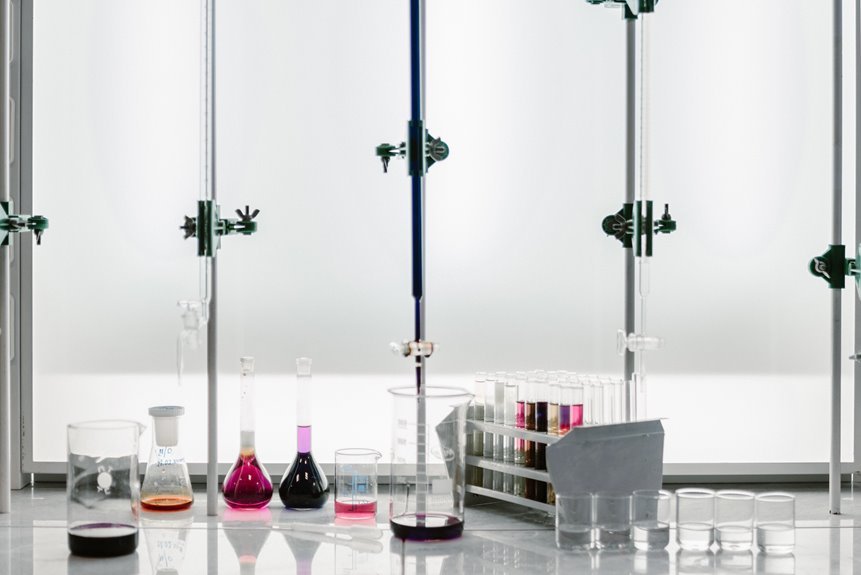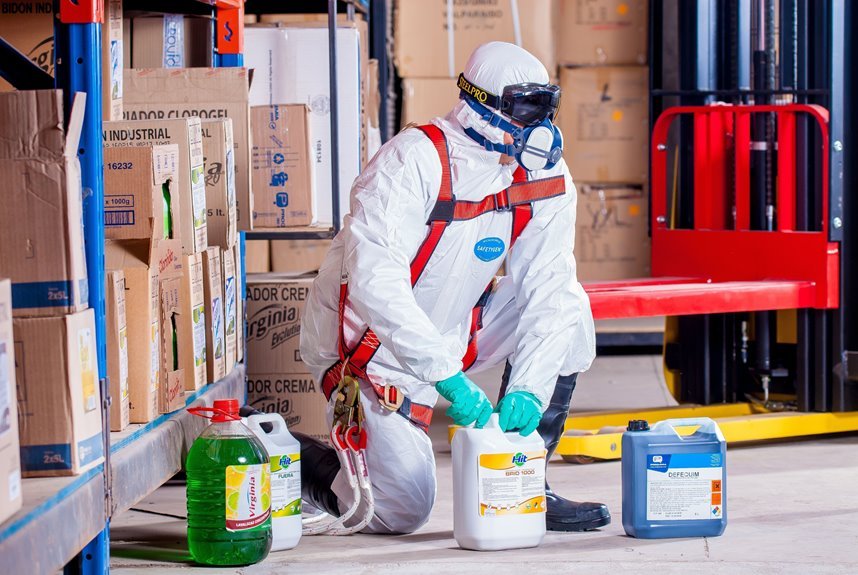
When working with construction chemicals, it’s crucial to understand their specific applications and implications. You need to consider factors like material compatibility, regulatory compliance, and potential hazards. Selecting the right coatings, adhesives, and sealants can significantly impact a project’s durability and safety. However, navigating these options requires careful analysis and reliable sources. Let’s explore the key aspects that can enhance your decision-making process and ensure a successful outcome.
What You Need to Know About Construction Chemicals
When you’re diving into construction projects, understanding construction chemicals is essential for ensuring quality and durability.
Familiarize yourself with chemical regulations to maintain compliance and enhance construction safety.
Be aware of the potential hazards associated with improper use, and always prioritize safety measures.
Knowing the right chemicals for specific applications can significantly impact the structural integrity and longevity of your projects.
Benefits of Coatings in Construction
While you might focus on structural elements in construction, the benefits of coatings shouldn’t be overlooked.
Coating durability extends the lifespan of materials, reducing maintenance costs. Additionally, they provide aesthetic enhancement, allowing for creative finishes that elevate visual appeal.
Choosing the Right Adhesives and Sealants
How do you determine the best adhesives and sealants for your construction projects?
Start by evaluating adhesive types, like epoxy, polyurethane, and silicone, based on your material compatibility and strength requirements.
Next, consider sealant applications, ensuring they meet environmental conditions and flexibility needs.
This careful selection process allows you to achieve optimal performance and longevity in your construction endeavors.
Essential Contacts for Reliable Suppliers
Where can you find dependable suppliers for construction chemicals?
Start with a thorough supplier evaluation process, assessing their reputation and reliability. Check if they hold relevant product certifications, ensuring compliance with industry standards.
Networking within industry forums and seeking recommendations can also reveal trustworthy contacts.
Prioritize suppliers who demonstrate transparency and consistency in their product offerings to maintain quality in your projects.
Conclusion
In construction, choosing the right chemicals is like selecting the right tools for a craftsman. Just as a master builder wouldn’t use a dull saw, you shouldn’t compromise on quality with coatings, adhesives, and sealants. The right choices not only enhance structural integrity but also reduce long-term maintenance costs. By leveraging the insights from the Construction Chemicals Guide, you can ensure your projects stand the test of time, much like a well-crafted piece of furniture that lasts generations.