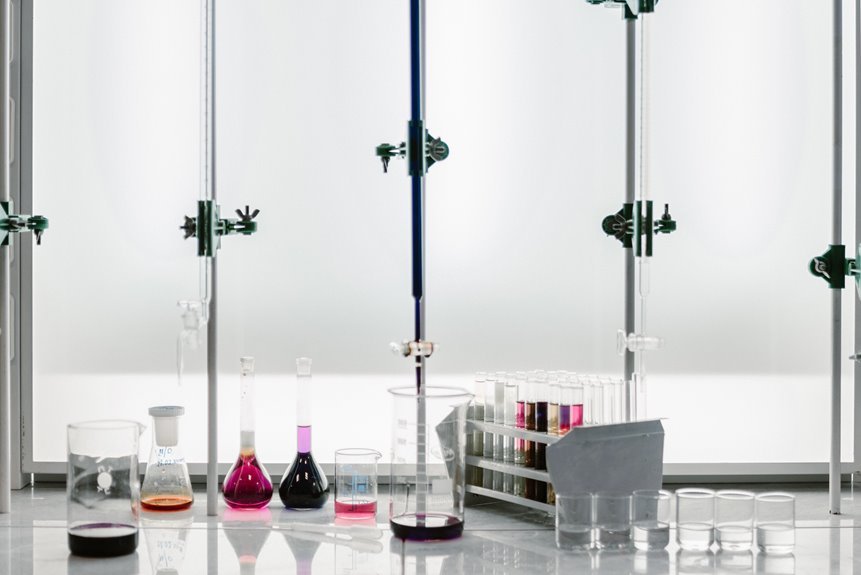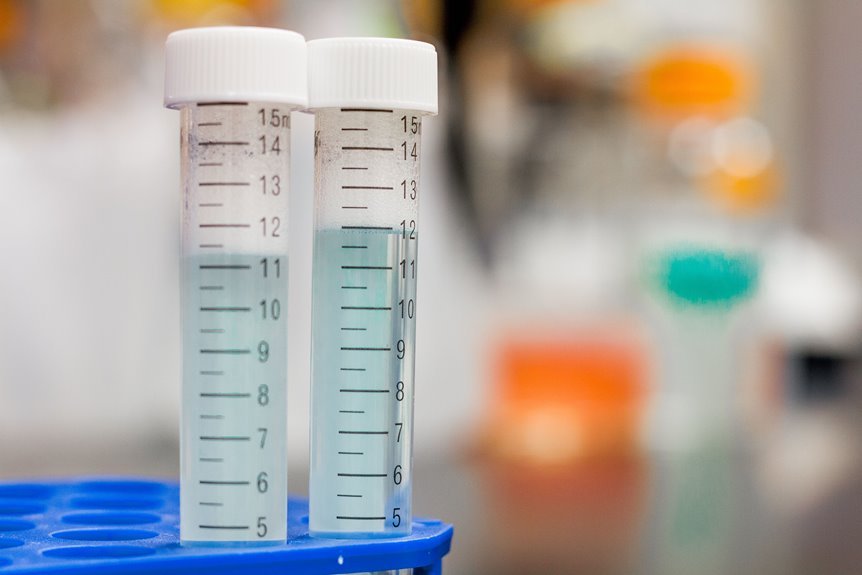
It’s a coincidence that you’ve come across the “Fine Chemicals Production Guide” just as the industry faces increasing demands for high purity compounds. This guide offers you critical insights into methodologies and technologies that improve production efficiency. You’ll find that understanding quality control practices is essential for compliance in this evolving landscape. Yet, the real question remains: how can these innovations reshape your approach to fine chemicals manufacturing?
What Are Fine Chemicals and Why Are They Important?
Fine chemicals are highly pure, specialized chemical compounds produced for specific applications, often in small quantities. Their importance lies in addressing market trends that demand precision and quality.
As you explore sustainability practices in production, you’ll find that these chemicals play a crucial role in innovative solutions for various industries.
Understanding their significance empowers you to navigate evolving market landscapes effectively.
Top Methodologies for Producing Fine Chemicals
When producing fine chemicals, several methodologies stand out for their effectiveness and precision.
You should consider batch synthesis for its flexibility and continuous flow processes for efficiency.
Emphasizing sustainable practices aligns with current market trends, reducing waste and energy consumption.
Catalytic methods also enhance selectivity, ensuring high-quality outputs.
These approaches not only meet regulatory demands but also support a sustainable future in chemical production.
How New Technologies Are Changing Fine Chemical Production
As new technologies emerge, they’re revolutionizing fine chemical production by enhancing efficiency and precision.
Digital transformation integrates advanced analytics and automation, streamlining processes while minimizing waste.
These innovations support sustainability practices, allowing you to produce higher-quality chemicals with reduced environmental impact.
Embracing these changes not only boosts productivity but also aligns your operations with modern ecological standards, promoting greater freedom in chemical manufacturing.
Quality Control Best Practices in Fine Chemical Manufacturing
Implementing effective quality control practices in fine chemical manufacturing is vital for maintaining product integrity and compliance with industry standards.
You should focus on robust quality assurance measures, including regular audits, precise documentation, and stringent testing protocols.
Ensuring regulatory compliance not only safeguards your products but also enhances your reputation in the market, fostering trust and facilitating smoother operations.
Conclusion
In the realm of fine chemicals, think of each compound as a thread in a delicate tapestry. Just as a skilled weaver combines precision and innovation, you must embrace methodologies and technologies to enhance production. Quality control acts as the loom, ensuring each thread aligns perfectly, creating a masterpiece that meets industry demands. As you navigate this intricate landscape, remember that sustainable practices are the dyes, enriching the fabric of your production with vibrancy and resilience for the future.