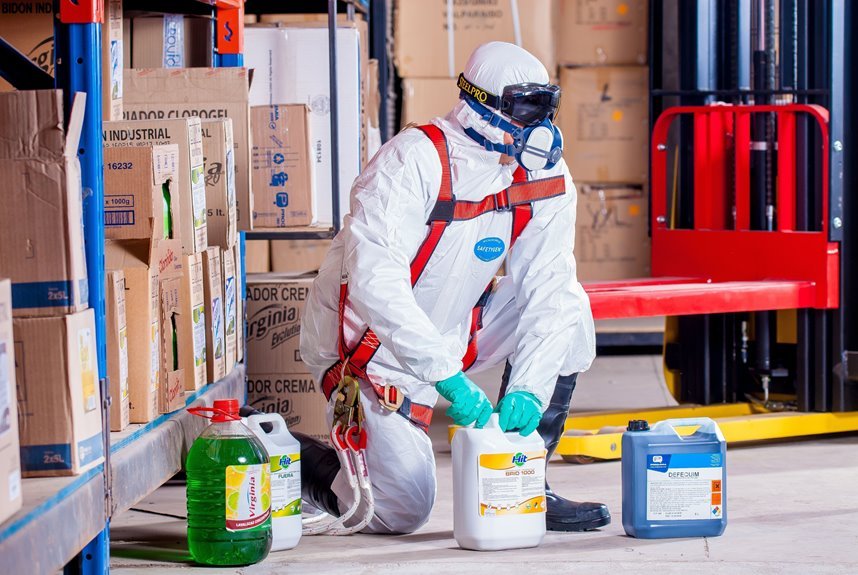
In the ever-evolving organic chemicals sector, understanding the significance of identifiers like 5106170105 and 2085144125 is crucial for ensuring compliance and safety. These codes streamline communication among stakeholders and facilitate regulatory adherence. As sustainability becomes a focal point, you may find yourself navigating both innovative practices and persistent production challenges. The path forward is complex, but examining these trends reveals critical insights that could redefine your approach to organic chemicals.
Why Organic Chemical Identifiers Matter
Understanding why organic chemical identifiers matter is crucial for anyone navigating the complexities of the chemical industry.
These identifiers enhance chemical safety, streamline production efficiency, and ensure regulatory compliance. They adapt to market demand while minimizing environmental impact.
Moreover, technological advancements rely on these identifiers to optimize processes, ultimately fostering a more sustainable industry landscape.
Prioritizing them is essential for responsible innovation.
Emerging Trends in Organic Chemicals: Sustainability and Innovation
As industries increasingly prioritize sustainability, emerging trends in organic chemicals are shaping the future of production and innovation.
You’ll notice a shift towards sustainable sourcing, where raw materials are derived responsibly.
Additionally, the rise of biodegradable materials is transforming product design, reducing environmental impact.
These innovations not only meet consumer demand but also align with global sustainability goals, ensuring a greener future.
Challenges in Organic Chemical Production
While pursuing advancements in organic chemical production, manufacturers face significant challenges that can hinder progress.
Cost management and market volatility strain budgets, while regulatory compliance complicates operations.
Additionally, supply chain disruptions can delay crucial materials, impacting timely production.
Effective technology integration is essential for enhancing quality control, yet these complexities require continuous adaptation to maintain competitiveness in an ever-evolving landscape.
Real-World Innovations Shaping the Future of Organic Chemicals
Innovations in the organic chemicals sector are rapidly transforming production processes, enabling companies to enhance efficiency and sustainability.
By adopting biodegradable solvents and renewable feedstocks, you’re witnessing a shift towards greener practices.
Advanced catalysis improves reaction rates, while process optimization and waste minimization techniques streamline operations.
Embracing green chemistry not only reduces environmental impact but also drives profitability in a competitive market.
Conclusion
In conclusion, embracing organic chemical identifiers is like navigating a well-marked map through a complex landscape. They enhance safety and compliance while driving innovation and sustainability in the industry. As you face the challenges of production, leveraging these tools will not only streamline processes but also foster a competitive edge. By prioritizing green chemistry practices, you’ll contribute to a more sustainable future, ensuring that your role in the organic chemicals sector is both impactful and forward-thinking.