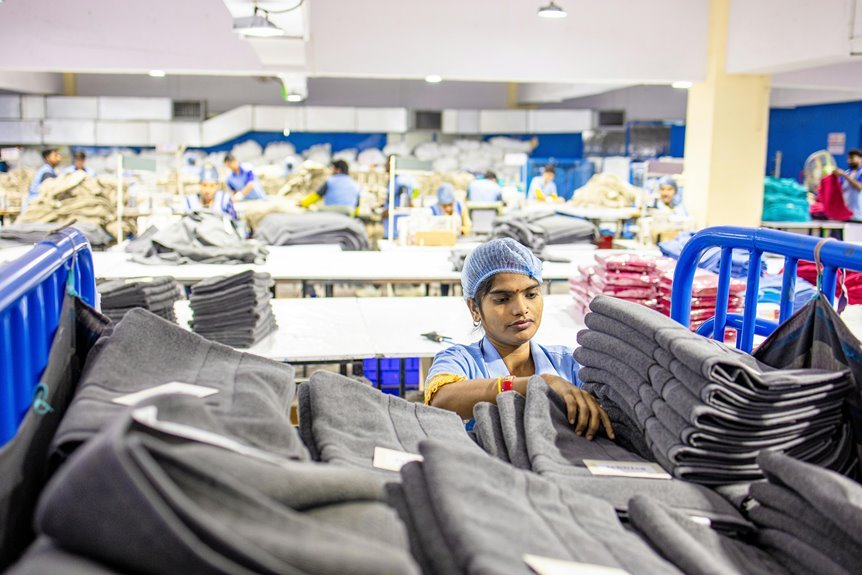
Did you know that automated stitching can reduce production time by up to 50%? As apparel manufacturing evolves, innovations like this are not just reshaping workflows; they’re also addressing sustainability and consumer demands. Brands that adapt quickly to these trends can gain a competitive edge. But what does this mean for supply chains and ethical practices in the industry? Let’s explore the implications and emerging strategies driving these changes.
The Latest Innovations in Apparel Manufacturing Techniques
As the apparel industry adapts to evolving consumer demands, innovations in manufacturing techniques are transforming production processes.
Automated stitching is streamlining workflows, significantly reducing labor costs and errors.
Meanwhile, 3D printing allows for rapid prototyping and customization, catering to individual preferences.
These advancements not only enhance efficiency but also empower brands to respond swiftly to market trends, driving growth and freedom in design.
How Sustainability Is Transforming Apparel Manufacturing?
While many industries grapple with the effects of climate change, apparel manufacturing is undergoing a significant transformation driven by sustainability.
You’ll notice a shift towards eco-friendly materials and circular fashion practices, which promote recycling and reduce waste.
This trend not only meets consumer demand for sustainable options but also enhances brand loyalty, paving the way for a more responsible future in fashion.
Top Trends Influencing Consumer Choices in Fashion
Understanding the top trends influencing consumer choices in fashion is essential, especially as today’s shoppers become increasingly discerning about their purchases.
Street style dominates, with vibrant color palettes and ethical fashion driving decisions. Fashion influencers shape preferences, while digital shopping enhances accessibility.
Material choices and brand loyalty reflect seasonal trends, empowering you to express individuality while aligning with values that matter.
Addressing Supply Chain Challenges in Apparel Manufacturing
Navigating the complexities of supply chain challenges in apparel manufacturing requires a strategic approach that adapts to evolving market conditions.
You must focus on robust inventory management to counteract labor shortages and fluctuating demand.
By leveraging data analytics and flexible sourcing strategies, you can enhance resilience and optimize operations.
Embracing these trends empowers you to maintain agility and meet consumer expectations effectively.
Conclusion
As the apparel industry adapts to rapid changes, embracing innovations like automated stitching and 3D printing feels like catching a wave just before it crests. Sustainability isn’t just a trend; it’s the fabric of modern fashion, weaving together consumer loyalty and ethical practices. By addressing supply chain challenges head-on, brands can not only thrive but also shape a future that’s as vibrant as the colors in their collections. Stay tuned—this evolution is just getting started.