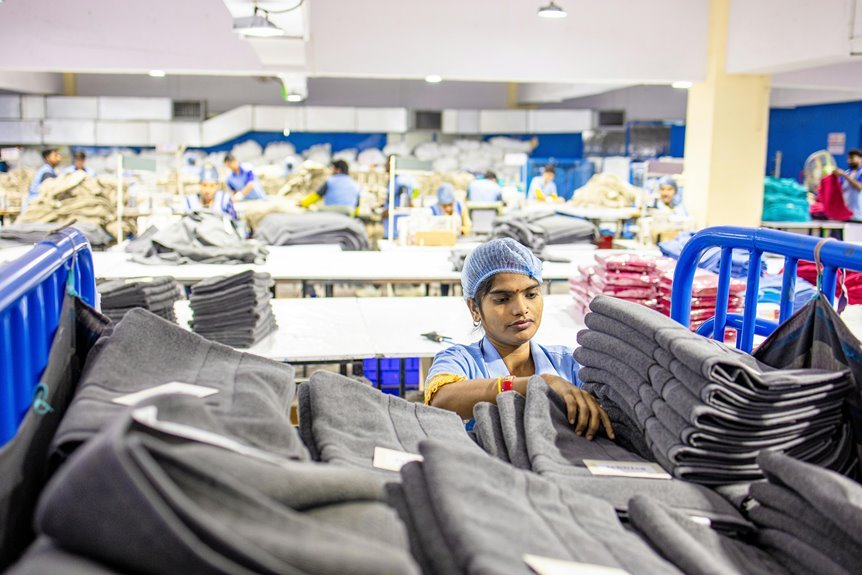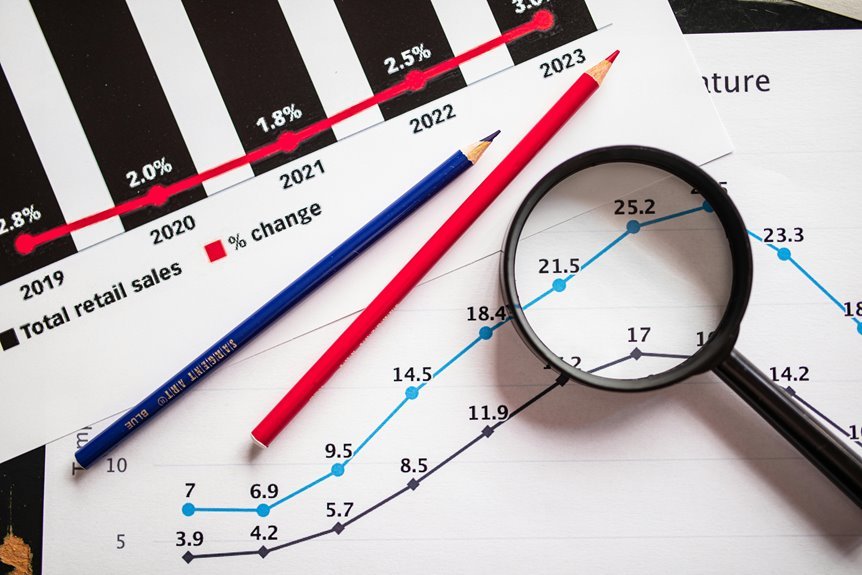
In assessing the textile industry’s growth trends, you’ll notice digital transformation, sustainable practices, and evolving consumer preferences are pivotal factors. With smart textiles enhancing functionality and automated processes driving efficiency, the landscape is rapidly changing. As consumers lean towards ethical fashion and eco-friendly materials, brands must adapt to maintain relevance. This raises crucial questions about the future of manufacturing and consumer engagement that deserve closer examination.
How Digital Changes Are Shaping the Textile Industry
As digital technologies continue to evolve, they’re revolutionizing the textile industry in ways that enhance efficiency and sustainability.
Smart textiles, integrated with sensors and IoT, streamline production processes, reducing waste and energy consumption.
Moreover, a digital supply chain allows for real-time data tracking, improving inventory management and responsiveness.
Together, these innovations empower you to embrace a more sustainable and efficient textile future.
What Are the Key Consumer Trends in Textiles?
The digital transformation in the textile industry hasn’t only streamlined production but also influenced consumer preferences significantly.
You’re increasingly drawn to ethical fashion, prioritizing brands that reflect your values.
Meanwhile, luxury textiles are gaining traction, with consumers seeking quality and exclusivity.
Data shows a shift towards personalized experiences, as you desire unique, tailored options that resonate with your individual style and beliefs.
Sustainable Materials in Textiles
While the demand for sustainable materials in textiles rises, brands are increasingly adopting eco-friendly practices to meet consumer expectations.
You’ll find that eco-friendly fibers, like organic cotton and hemp, are gaining traction, alongside recycled textiles that reduce waste.
This shift not only enhances brand loyalty but also aligns with the growing awareness of environmental impacts, driving innovation in sustainable fashion.
Innovations Transforming Textile Manufacturing
With the growing emphasis on sustainable materials, innovations in textile manufacturing are becoming pivotal in shaping the industry’s future.
Smart textiles are revolutionizing functionality, integrating technology into fabrics for enhanced performance.
Meanwhile, automation advancements streamline production processes, reducing waste and increasing efficiency.
Together, these innovations not only promote sustainability but also empower you to create high-quality products that meet evolving consumer demands.
Conclusion
As you navigate the ever-evolving textile industry, you’ll notice how digital innovation and sustainability are intertwined, almost like a perfect coincidence. Consumer preferences drive brands to embrace eco-friendly materials and personalized experiences, creating a cycle of loyalty and growth. With smart textiles and automated processes on the rise, the industry’s future looks promising. By aligning with these trends, you’re not just keeping up; you’re part of a larger movement shaping a more sustainable and responsive marketplace.